Hernando County’s ground composition creates detection challenges that general contractors aren’t equipped to handle. Porous limestone karst beneath the sandy topsoil allows pool water to migrate well below the surface before producing any visible sign at grade. Wet spots and deck cracks, when they do appear, often indicate a leak that has already been active for some time. Our Spring Hill team understands the construction and plumbing patterns of pools built during the area’s development booms from the 1980s through the 2000s, when many of the fittings, seals, and plumbing joints now reaching failure age were installed.
Florida’s year-round pool operation, intense UV exposure, and seasonal water table shifts stress pool shells and plumbing continuously. We use advanced non-invasive tools calibrated for these local conditions and coordinate appointments around your schedule so detection happens before small leaks become structural problems.
For more information, call us at (727) 493-1967 or schedule an appointment to get started!
What to Expect From Pool Leak Detection Services
Our pool leak detection service in Spring Hill is built around transparency and minimal disruption. From scheduling to final findings, the process is straightforward.
- Prompt appointment scheduling: We coordinate a visit that works with your schedule and arrive on time.
- Non-destructive testing: Using acoustic listening devices and targeted pressure testing, we pinpoint leaks below the surface or inside pool plumbing without disturbing your deck or yard.
- Full report of findings: After detection, you receive a complete report of what was found and clear recommendations for next steps.
- Transparent pricing: We communicate costs upfront with no hidden fees on the final bill.
Most pool leak detection visits take two to four hours, depending on pool size and plumbing complexity. Our technicians arrive prepared, work efficiently, and leave the site clean.
Our Pool Leak Detection Process
At American Leak Detection of Spring Hill, the detection process is evidence-based: the source is confirmed before any excavation or repair work begins. When you contact us, we gather background information about your pool and note your observations. During the visit, our leak detection team applies three core methods to systematically identify and confirm the leak location.
Pressure Testing
We test individual pool plumbing lines under pressure to isolate which pipe is losing pressure and where the failure is located. This eliminates guesswork about whether the leak is in the plumbing or the pool shell and narrows the scope of any subsequent repair.
Electronic Listening Equipment
Acoustic detection equipment picks up the sound signature of water escaping through fittings, return lines, skimmer connections, light niches, and the pool shell itself. Leaks at these points rarely produce a visible surface sign, making electronic detection essential for accurate location.
Dye Testing
Where pressure testing and acoustic equipment identify a suspect area, dye testing provides direct visual confirmation on the pool structure before findings are documented.
All methods use proprietary detection equipment developed by American Leak Detection specifically for non-destructive leak location. LeakVUE™ is also available through the brand: a patented laser-based water-loss verification tool developed in partnership with PlainSight that can evaluate water loss in a pool, spa, or fountain in as little as 15 minutes. Our leak detection team documents all findings clearly and delivers a full report so you understand exactly what was found and what the recommended path forward is.
How Pool Leak Detection Saves Time & Money in Spring Hill
A leaking pool can waste thousands of gallons of water per season, driving up utility bills and depleting the chemicals needed to maintain water balance. In Hernando County, where water conservation carries real weight, addressing a confirmed leak promptly is both a financial and a community responsibility. Left unaddressed, even a small leak in the shell or plumbing can erode the soil beneath pool decking and accelerate structural damage that costs far more to repair than the original leak would have.
Florida insurers generally expect prompt action to document and address water loss, and homeowners who move quickly tend to have more options when filing a claim. American Leak Detection of Spring Hill is pre-approved with top insurers, which can support faster claims processing when a pool leak is confirmed. Once detection is complete and findings are in hand, our leak repair service can help get your pool back on track with the same non-invasive approach.
Frequently Asked Questions
How Do I Know If My Pool Is Leaking?
Common signs include an unexplained drop in water level, soggy ground near the pool equipment, algae growth that returns quickly after treatment, needing to add water more than once a week, or an autofill valve that runs constantly. Under normal Florida conditions, a pool loses roughly a quarter inch of water per day to evaporation. Loss beyond that is grounds for a professional inspection to confirm whether a leak exists and pinpoint its source.
What Technology Does American Leak Detection of Spring Hill Use for Pool Leak Detection?
We use three core methods: pressure testing on plumbing lines, electronic acoustic listening equipment to detect leaks in the pool shell and plumbing, and dye testing to confirm locations on pool structure. Every service call uses proprietary detection equipment developed by American Leak Detection for non-destructive leak location. LeakVUE™ is also available through the brand as a patented laser-based water-loss verification tool that can evaluate water loss in as little as 15 minutes.
Will the Leak Detection Process Damage My Pool?
No. Our entire approach is built around Leak Detection Without Destruction™. We don’t drain the pool, excavate the yard, or open the deck before the leak source is confirmed. Detection happens using tools that identify the problem from the surface or through the water, so your pool and landscaping remain undisturbed throughout the inspection.
How Long Does a Pool Leak Detection Visit Take?
Most inspections take two to four hours, depending on pool size and plumbing complexity. At the end of the visit, you receive a full report of findings and recommended next steps so you leave with a clear plan.
Are Pool Leaks Common in Spring Hill, FL?
Yes. Spring Hill’s sandy soils and underlying limestone karst are porous, allowing pool water to move underground before producing visible signs at the surface. Fluctuating water tables add continuous stress to pool shells and plumbing connections. Many pools in the area were built between the 1980s and 2000s and are now at the age where fittings, seals, and plumbing joints are prone to failure, making pool leak detection an increasingly routine service for local homeowners.
Can I Verify Whether My Pool Is Actually Leaking Before Committing to a Full Inspection?
Through American Leak Detection, LeakVUE™ is available as a patented laser-based water-loss verification tool that can evaluate water loss in a pool, spa, or fountain in as little as 15 minutes. This can give you a confirmed answer on whether a leak is present before proceeding to a full detection appointment. Contact our Spring Hill team to ask about availability and next steps.
Take the Next Step to Protect Your Pool
Prompt action can keep a manageable leak from becoming a structural repair. When you reach out, you’ll get upfront pricing, detailed findings, and attentive service from a team that treats your property with respect.
Contact American Leak Detection of Spring Hill at (727) 493-1967 or schedule pool leak detection in Spring Hill.



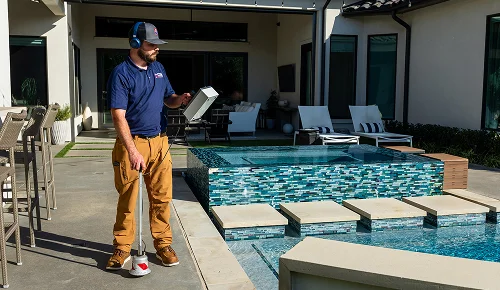 For 50+ years, we’ve developed tools to make leak detection faster and less disruptive.
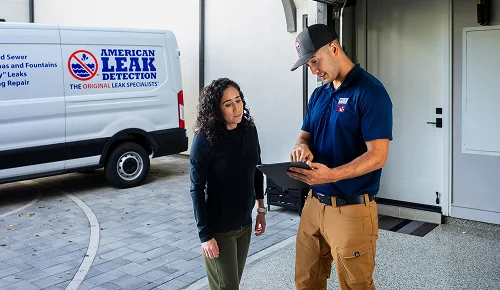 Learn all your options with pros, cons, and costs before making any decisions.
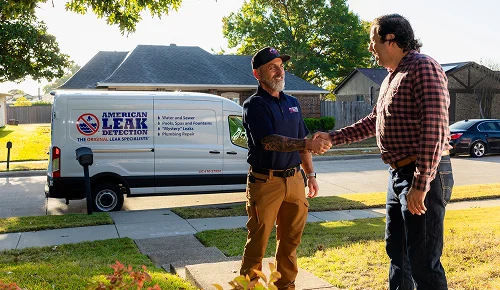 Pre-approved with top insurers means faster claims and smoother coverage.
 Trained specialists who detect leaks in every system, from pools to commercial pipes.


