

Pool Leak Detection in Billings, MT
Non-Invasive Diagnostics for Pool Shells, Plumbing Lines, Skimmers & Equipment Pads
When your pool is losing water faster than conditions explain, the source could be anywhere: the shell, a buried plumbing circuit, a skimmer fitting, a light housing, or the equipment pad. American Leak Detection of Montana provides dedicated pool leak detection in Billings, MT using non-invasive methods that locate the source precisely, without cutting, drilling, or demolition. Our role is to give you an accurate, documented leak location you can act on immediately, whether you’re coordinating with a pool repair contractor or filing an insurance claim. Montana’s pool season is short, and weeks spent guessing are weeks lost.
We’ve developed proprietary detection techniques over more than 40 years focused entirely on leak detection, not general plumbing service. That distinction matters when you’re dealing with a system as complex as a pool: pressurized plumbing circuits, multiple fitting types, buried lines, and shell structure all require a different diagnostic approach than a household pipe. Our principle, Leak Detection Without Destruction™, means your pool stays intact throughout the inspection.
Contact American Leak Detection of Montana today for pool leak detection in Billings. Call us at (406) 551-6906.
Pool Leak or Normal Evaporation? How to Tell the Difference
Pools naturally lose some water to evaporation, especially during hot, dry, or windy weather, but a leak creates a consistent, abnormal drop that doesn’t match conditions. Billings’ semi-arid summers, with low humidity, strong sun, and warm temperatures, can push daily evaporation to 3/8” to 1/2” per day or more, higher than pools in more humid climates typically see. If you’re losing significantly more than that, frequently adding water, or noticing soggy soil near the pool, air in the pump basket, or an unexplained chemical imbalance, it’s time to investigate.
The most reliable first step is the bucket test: place a bucket of pool water on a step, mark water levels inside and outside, and compare the drop after 24 hours with the pump running normally. A second 24-hour test with the pump off can help indicate whether the leak is in the shell or the plumbing lines. If the bucket test points to a leak, professional pool leak detection can locate it in the shell, plumbing lines, fittings, skimmers, lights, or equipment pad. We use dye testing at suspected points, pressure testing of individual plumbing circuits, and electronic listening to track leaks in buried lines. Note that spas and fountains on the same plumbing system can be the actual leak source even when the pool shell appears intact, so a thorough inspection covers the full system. Many pool leaks are repairable without major demolition when the location is identified precisely, which is why detection before part replacement saves money. Learn more about pool leak repair in Billings once the source is confirmed.
Signs of a Hidden Water Leak in Your Home (and What Your Water Meter Is Telling You)
Hidden leaks rarely stay “small” for long, especially when they’re feeding mold growth, weakening drywall, or saturating subfloors and insulation. In Billings homes, leaks often present as subtle changes first: a faint musty odor, a warm spot on the floor, or a spike in the monthly bill with no change in usage. You may also notice running water when no fixtures are on, reduced water pressure, or dampness that returns after drying. If any of these are happening, treat them as a leak until proven otherwise and schedule residential leak detection.
- Unexpectedly high water bills or a steady increase month over month
- Wet or discolored drywall, baseboards, ceilings, or flooring
- Musty smells, visible mold, or allergy symptoms that worsen indoors
- Warped floors, loose tiles, or bubbling paint
- Low pressure, air in lines, or frequent pump cycling (for well systems)
- Foundation cracks or warm/cool spots on slab floors
If your water meter shows usage with everything off, treat that as a strong indicator of a pressurized leak. Turn off all water-using appliances and fixtures, then watch the meter: if the flow indicator continues to move, water is going somewhere. Next, shut off the main house valve. If the meter stops, the leak is likely inside the home. If it continues, the leak may be on the service line between the meter and the house. Once you confirm meter movement, contact us so we can locate the leak before additional damage occurs.
How Non-Invasive Leak Detection Works Without Cutting Walls
Non-invasive leak detection is a diagnostic process that uses instrumentation to identify a leak’s location and characteristics, not a “guess-and-open” approach. We begin by asking targeted questions: when the problem started, whether hot or cold lines are involved, and which areas show symptoms. Then we map the plumbing layout and evaluate pressure, flow, and moisture patterns. Depending on what we find, we use moisture meters, thermal imaging, electronic listening equipment, and line tracing to narrow the problem to a precise area. The result is less disruption, less restoration work, and a more direct path to repairs because your plumber can go straight to the right spot.
Many homeowners ask whether a leak can really be found without cutting into a wall. In most cases, yes, because the leak produces measurable signals: sound, temperature differences, pressure loss, and moisture migration. A pinhole leak on a hot line can create a thermal signature. A pressurized leak can produce an acoustic signal that travels along pipe and through building materials. When appropriate, we combine methods to confirm findings so you’re not paying for exploratory openings that miss the source. Request an appointment and we can walk you through the process before we begin.
Slab Leaks & Underground Water Lines: Finding Leaks Under Concrete
Leak detection can locate slab leaks under a concrete foundation, and finding them early can help reduce structural and flooring damage. Slab leaks often show up as warm spots on the floor, unexplained damp carpet or tile grout, mildew odors, or cracks that appear or worsen over time. Because the piping is hidden beneath concrete, homeowners sometimes assume the only option is to start jackhammering until the leak is found. Our slab leak detection process pinpoints the location so repairs are targeted and the access area is minimized.
A common question is whether acoustic leak detection is accurate for underground water lines. In many cases it is, especially when performed by trained technicians using professional-grade sensors and correlation tools. Accuracy depends on factors like pipe material (copper, PVC, galvanized), depth, soil type, water pressure, and background noise from traffic or mechanical equipment, all variables present in Billings neighborhoods. When acoustics alone isn’t enough, we verify with additional techniques such as line tracing or controlled pressure testing to reduce uncertainty. If you suspect a leak in the yard or between the meter and the home, schedule underground water line leak detection before any excavation begins.
Cost, Timing & What to Expect From a Pool Leak Detection Inspection
Pricing for pool leak detection varies based on system type, property size and complexity, and the diagnostic scope required to confirm the source. Pool leak detection is a distinct diagnostic service, separate from pool repair pricing. While it’s natural to focus on the inspection fee, accurate detection can reduce total project cost by helping prevent unnecessary demolition, flooring tear-out, or yard excavation. For the most accurate estimate for your Billings property, request an appointment and describe what you’re seeing.
Most standard residential inspections take about 1 to 3 hours. More complex situations, such as multiple suspected leak points, slab systems, or difficult underground conditions, can take longer. Our goal is to work efficiently while still confirming findings, because a rushed inspection can produce false positives that lead to expensive, unnecessary repairs. When we’re finished, you receive clear documentation of the leak location and practical repair recommendations. Our Know Before You Go pricing approach means you’ll have upfront cost clarity before any work begins, and our technicians arrive on time, complete work within the agreed timeframe, and leave your property clean.
Repairs, Responsibility & Insurance: What Happens After the Leak Is Found?
In most cases, homeowners are responsible for leaks on the private side of the system, while municipalities are typically responsible up to the meter, though boundaries vary by local rules and property layout. A plumber or pool repair professional performs the physical repair. Our role is accurate location and diagnostics. Once we locate the leak, we provide documented findings you can share with your repair contractor or submit with an insurance claim through the repair coordination process.
Coverage for pool leak damage depends on your policy and cause of loss: many policies cover sudden and accidental damage, while gradual leak damage may be limited or excluded. Leak detection fees may be considered part of reasonable mitigation investigation under a covered loss, but confirm with your carrier and retain all documentation. The most important immediate steps are to stop further water loss, document what you’re seeing, and obtain professional detection findings before filing any claim.
Ready to move from suspicion to a verified answer and a repair plan? Book pool leak detection service in Billings with American Leak Detection of Montana today. Call us at (406) 551-6906.


-
“On time, very professional, and obviously know what they are doing - they found the leak right where they marked. You get what you pay for and they didn't disappoint. I would recommend American Leak Detection to anyone with a high water bill or hidden leak that doesn't want to tear up their property to locate.”- Todd S.
-
“These guys rock. Great customer service and professional technicians. Quickly found a leak under the slab in our driveway and saved us from tearing up the property. (I thought it was someplace else) Cannot recommend them highly enough.”- Michael T.

-
Innovating Since 1974
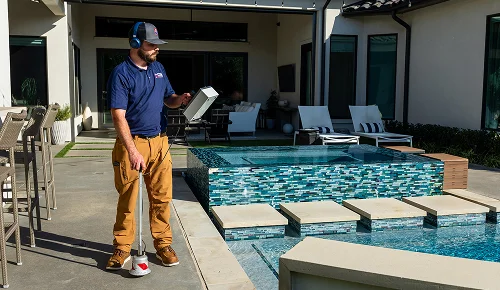 For 50+ years, we’ve developed tools to make leak detection faster and less disruptive.
 -
Solutions Tailored for You
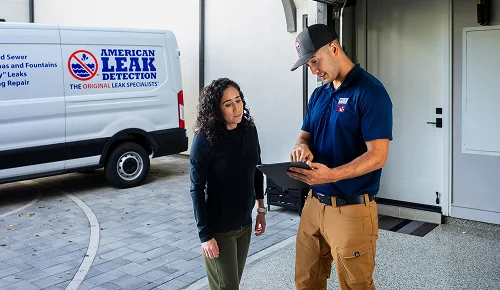 Learn all your options with pros, cons, and costs before making any decisions.
 -
Preferred by Top Insurers
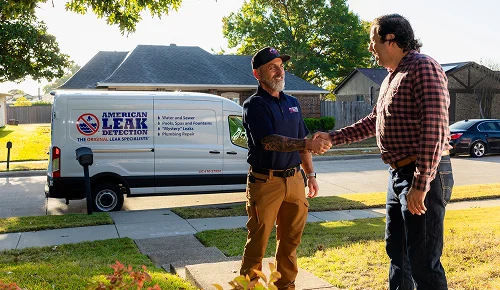 Pre-approved with top insurers means faster claims and smoother coverage.
 -
Trusted Specialists
 Trained specialists who detect leaks in every system, from pools to commercial pipes.


