Sewer Line Warning Signs in a Hesperia Home
A sewer problem can affect several fixtures or appear outside the home. Multiple drains slowing or backing up at the same time often indicate a shared sewer line issue rather than an isolated sink or shower clog. Persistent symptoms warrant professional evaluation, especially when wastewater is entering the property.
Warning signs that may indicate a damaged or obstructed sewer line include:
- Recurring sewer backups: Wastewater repeatedly returns through toilets, tubs, showers, or floor drains.
- Multiple slow drains: Several fixtures drain poorly at the same time despite attempts to clear an individual drain.
- Wastewater odors: Persistent sewer smells develop indoors or around the route of an underground line.
- Gurgling fixtures: Toilets or drains make unusual sounds when nearby plumbing is used.
- Wet or green ground: An unexplained damp area or unusually green patch appears above buried plumbing.
- Ground depressions: Soil sinks or forms a low area near the suspected sewer line.
Possible causes include root intrusion, corrosion, buildup, cracked pipe sections, separated joints, ground movement, or a collapsed or misaligned line. The symptom alone can’t confirm which condition is present. A focused evaluation is needed to identify the likely source and determine what kind of follow-up work is appropriate.
Our Sewer Line Inspection & Repair-Planning Process
We begin by confirming the symptoms you’ve noticed and reviewing accessible plumbing areas. We then use targeted methods to narrow down the suspected leak or damaged section. The process is based on the property layout, available access, and the type of sewer line problem being investigated.
Our evaluation is organized around five practical steps:
- Initial discussion: We ask where symptoms appear, when they occur, and whether more than one fixture is affected.
- Accessible-area evaluation: We review exposed plumbing and relevant property areas for visible evidence of leakage or damage.
- Targeted testing: We may listen along plumbing lines, scan likely surfaces, or use other non-invasive methods to narrow down the source.
- Line assessment: When appropriate and accessible, a sewer camera inspection can help evaluate the inside condition of the pipe.
- Documented findings: We explain the likely leak location and type in clear terms so you can plan follow-up work.
A sewer camera inspection can reveal conditions such as root intrusion, pipe cracks, separated joints, corrosion, buildup, low sections that hold wastewater, or a partial collapse. Camera access and visibility depend on the plumbing layout and the condition of the line. Inspection findings guide the decision rather than assuming one sewer repair method fits every property.
Depending on what is found, a repair professional may recommend clearing an obstruction, completing a localized repair, considering trenchless sewer repair where suitable, or replacing a more extensively damaged section. We provide the location information and findings needed to discuss those options with the professional performing the repair.
Limiting Unnecessary Property Excavation
Our approach follows the principle of “Leak Detection Without Destruction™”. Accurate sewer line leak detection can help focus repair planning on the affected area instead of searching broadly through finished surfaces or outdoor features. This is particularly important when underground plumbing runs beneath landscaping, flooring, a slab, a driveway, or a sidewalk.
Targeted findings can limit the area that must be opened during repair and may reduce unnecessary labor and material costs. The final scope still depends on the pipe’s condition, location, access, and the extent of damage found during the inspection. A localized failure and a deteriorated line require different repair discussions.
Prompt evaluation matters when wastewater is backing up, odors persist, or wet ground suggests an underground leak. These conditions can expand beyond the original problem area if the underlying cause isn’t addressed. We give you the information needed to decide what requires attention next.
Frequently Asked Questions
How Do I Know Whether Recurring Backups Indicate a Sewer Line Problem? If several fixtures slow down or back up at the same time, the problem may be in a shared sewer line rather than an individual drain. An evaluation can identify the likely source.
Can a Sewer Camera Show Whether the Line Needs Localized Repair or Replacement? When access and visibility allow, a sewer camera can show cracks, separated joints, root intrusion, corrosion, buildup, low sections, and partial collapse. Those findings help a repair professional assess whether the damage is localized or more extensive.
What Will I Receive After the Leak Location Service? We explain the likely location and type of failure and provide documented findings you can use to discuss the next step with your chosen repair professional.
Will Sewer Line Leak Detection Damage My Property? We use non-invasive methods to narrow down the source and reduce unnecessary disturbance to finished surfaces and outdoor features. Any access requirements depend on the plumbing layout and line condition.
How Long Does a Sewer Line Inspection Take? The time varies with the plumbing layout, line access, property conditions, and complexity of the symptoms. A straightforward accessible line may take less time than a system with limited entry points or multiple areas requiring evaluation. We’ll explain what the inspection involves before the work proceeds.
How Much Does Sewer Line Leak Repair Cost? Cost depends on the location and extent of the damage, pipe condition, access, affected property features, and repair method selected after evaluation. Accurate leak location gives you more specific information for discussing pricing with the professional performing the repair.
Does Insurance Cover Sewer Line Damage? Coverage varies by policy and by the cause of the damage. Review your policy and contact your insurer to confirm whether the line itself, resulting property damage, excavation, or related repairs are covered. Inspection documentation may help support that conversation.
Plan the Right Next Step for Your Sewer Line
Our findings can help you discuss the location, pipe condition, access, and extent of damage with your chosen repair professional. You’ll have better information for comparing a localized repair with other options that may be recommended after the line is evaluated.
Contact American Leak Detection of High Desert today to discuss suspected sewer line damage in Hesperia, or call us at (760) 276-4563.


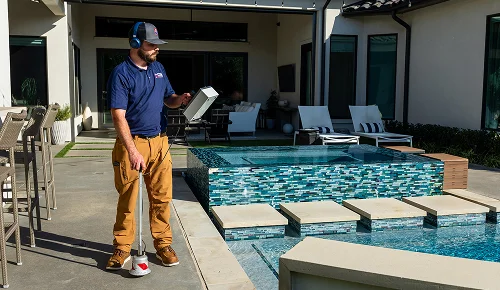 For 50+ years, we’ve developed tools to make leak detection faster and less disruptive.
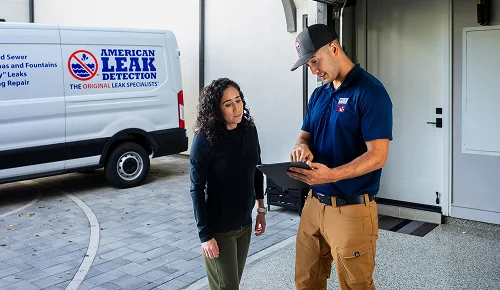 Learn all your options with pros, cons, and costs before making any decisions.
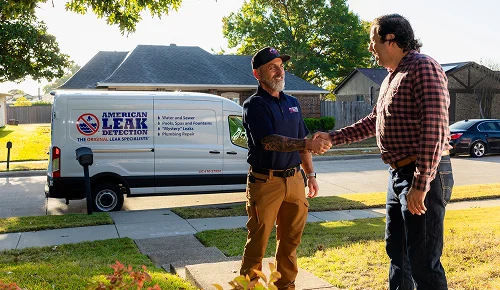 Pre-approved with top insurers means faster claims and smoother coverage.
 Trained specialists who detect leaks in every system, from pools to commercial pipes.


