

Pool Leak Repair in Spokane, WA
Detection & Repair in a Single Visit, Without Destroying Your Yard
Watching your pool’s water level steadily drop is stressful enough. The last thing you need is a contractor tearing up your patio on a guess. You shouldn’t lose your landscaping because someone couldn’t pinpoint where the pipe failed.
At American Leak Detection of Spokane, we use acoustic listening tools and underwater dye testing to locate pool leaks precisely before any repair work begins. Our guiding principle, Leak Detection Without Destruction™, means your deck, landscaping, and pool shell stay protected through the entire process. We handle both the leak detection and plumbing leak repair in a single service call. No separate detection specialist and no second contractor.
Why Spokane Pools Develop Leaks
This isn’t your fault. Spokane, Washington’s continental climate swings hard between freezing winters and warm summers. When the ground freezes solid, it expands forcefully, then settles again as spring arrives. That constant movement squeezes the rigid PVC pipes buried beneath your deck and stresses the vinyl or plaster shell of your pool.
Trapped water inside pool plumbing can freeze, expand, and fracture PVC lines outright. Over multiple seasons, this freeze-thaw cycle is a primary driver of pool plumbing failure across Eastern Washington. The pool shell itself, whether plaster, concrete, or vinyl, develops stress fractures as the surrounding soil shifts seasonally.
The Most Vulnerable Areas of Your Pool System
We know precisely where pools tend to fail, and we go straight to the zones that account for the majority of pool water loss:
- Underground PVC suction lines running from your skimmers and drains to the equipment pad
- Watertight seals around return jets, underwater lights, and stair seams
- The plaster, concrete, or vinyl shell for stress fractures caused by shifting soil
Signs Your Spokane Pool Has an Active Leak
Because most pool plumbing is buried out of sight, a leak usually announces itself through a few observable symptoms before it becomes a major problem:
- Unexplained Water Loss: Losing more than a quarter-inch of water per day exceeds normal evaporation and signals an active leak. A pool leak repair service can stop it before the loss compounds.
- Air Bubbles at Return Jets: Sputtering jets or an empty pump basket suggest a cracked underground suction line drawing air through the break instead of water from the skimmer. The motor takes the strain, and damage can follow quickly.
- Persistent Water Chemistry Problems: If algae keeps returning despite regular treatment, water and the chemicals dissolved in it may be escaping the pool before they can do their job.
- Soggy Ground Near the Pool: A persistently wet or muddy patch of lawn near the pool means an underground pipe is releasing water into the surrounding soil.
Don’t let a leak take over your summer. Call (509) 631-8513 or request a service call to schedule your pool leak repair in Spokane today.
What a Pool Leak Repair Service Visit Looks Like
When our technician arrives, we start by listening. We talk through your pool’s history and your observations before any equipment comes out. Then we use non-invasive acoustic and pressure-testing tools to evaluate the plumbing and shell, mapping the exact failure point before recommending any access or repair. Our “Know Before You Go” approach means you receive a plain-language explanation of exactly what we found before any work proceeds. You make the call on every decision.
How We Repair Pool Leaks
Because we locate the precise failure point first, we skip broad excavation entirely. Two methods cover the majority of repairs our technicians encounter:
- Underwater Epoxy for Shell & Fitting Fractures: Cracked light niches, shell fractures, and fitting failures can often be sealed with specialized underwater epoxy without draining the pool. Keeping the pool full matters in Spokane’s shifting soils. An empty shell risks cracking or floating out of the ground.
- Targeted PVC Line Replacement: When a buried suction or return line needs replacement, we make a small, precise opening to access only the confirmed failure point. There’s no wide trench because we already know exactly where the break is.
At American Leak Detection of Spokane, we handle both finding the problem and repairing plumbing leaks. A single visit covers detection and repair, with no second contractor required.
Ready to get your pool back? Contact American Leak Detection of Spokane at (509) 631-8513 or request a service call to schedule your repair.
What Happens When Pool Leaks Go Unrepaired
Water escaping through a cracked pipe doesn’t just disappear. It washes away the soil supporting your patio. Over time, that erosion creates hidden voids beneath the concrete, which can eventually cause your deck to crack, sink, or collapse.
A second risk develops quietly at the equipment pad. If the water level falls below the skimmer intake, the pump can run dry, overheat, and burn out. This adds a full pump replacement on top of the original repair. Early pool leak repair in Spokane can help prevent both cascading failures from turning a straightforward fix into a costly renovation.
Frequently Asked Questions
Will You Have to Empty My Pool to Fix the Leak?
Rarely, and that’s intentional. Draining a pool in Eastern Washington’s shifting soils risks cracking the shell or floating it out of the ground. We use specialized underwater epoxy and other materials that allow us to complete most repairs while the pool stays full and the shell holds the pressure it was designed to carry.
Will My Concrete Patio Be Torn up During the Inspection?
No. The inspection is entirely non-invasive. We use acoustic listening devices and pressure testing to locate the exact failure point underground before we ever consider opening the surface. A precise cut is made only at the confirmed repair location, and only when it’s time to perform the repair, not during the diagnostic phase.
Why Is My Pump Suddenly Blowing Bubbles into the Water?
Air bubbles at the return jets typically mean air is entering the suction side of your pool’s plumbing, often through a crack in an underground suction line. Instead of drawing water from the skimmer, the pump pulls air through the break. That accelerates wear on the motor, so it’s worth having a pool leak repair company evaluate it before additional damage develops.
How Can I Tell If My Water Loss Is a Leak or Just Evaporation?
Run the bucket test. Place a bucket on your top pool step, fill it with pool water to about an inch from the top, and mark the water level inside the bucket and on the pool wall. Check back after 24 hours. If the pool has dropped noticeably more than the bucket, you have an active leak. Normal evaporation affects both surfaces equally, so a meaningful difference points to water escaping the pool structure.
What Should I Do While I Wait for Your Team to Arrive?
Turn off the pool pump at the breaker. If the water level keeps falling below the skimmer intake before we arrive, the motor can run dry and overheat. Cutting the power protects your equipment until we can locate the source and make the repair.


-
“Both technicians called as they were on their way and arrived promptly. This was after I needed to reschedule and they fit me in earlier than expected. They were able to identify where the leak was within an hour and double-checked the other trouble locations as well. I would definitely recommend American Leak Detection.”- Rand Hatch
-
“Tech Austin Smith accurately located my leak very quickly. It was well worth the money to know exactly where to dig to find the leak. I understand that not all cases are as easily resolved as mine was, but it is still worth paying for this service versus digging random holes.”- John Reid
-
“Awesome service. Should have had you guys out years ago. Would have saved a lot of water.”- Mike W.
-
“Great (as expected from past contacts) Very friendly office contacts. Friendly, professional field personnel.”- Loren M.

-
Innovating Since 1974
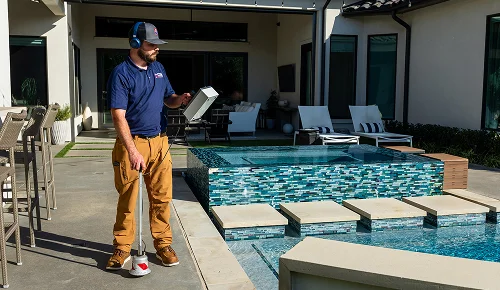 For 50+ years, we’ve developed tools to make leak detection faster and less disruptive.
 -
Solutions Tailored for You
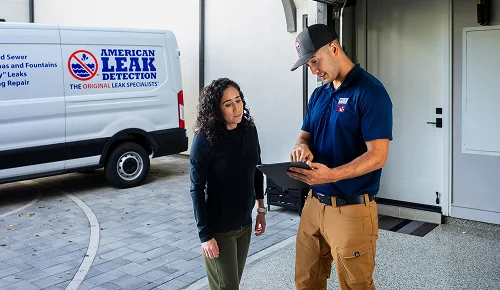 Learn all your options with pros, cons, and costs before making any decisions.
 -
Preferred by Top Insurers
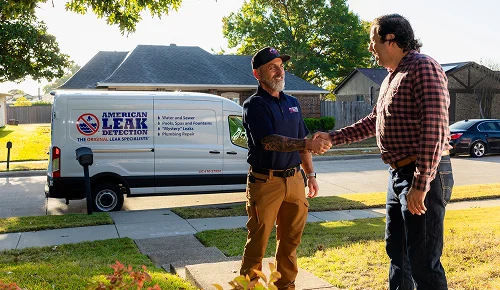 Pre-approved with top insurers means faster claims and smoother coverage.
 -
Trusted Specialists
 Trained specialists who detect leaks in every system, from pools to commercial pipes.


