

Slab Leak Detection in Thomasville
Non-Invasive Slab Leak Detection for Thomasville, GA Homeowners
American Leak Detection of Tallahassee and South Georgia provides slab leak detection in Thomasville, GA, locating failures in under-slab plumbing without opening floors or demolishing surfaces. As the Original Leak Specialists™, we’ve spent more than 40 years developing proprietary detection technology built around one principle: Leak Detection Without Destruction™. We find the leak first.
Thomasville properties carry real exposure here. Historic homes in the area have aging pipe stock prone to pinhole leaks and joint failures. Thomas County’s clay-rich soils expand and contract through moisture cycles, placing repeated mechanical stress on the lines running beneath your foundation. When one of those lines fails, South Georgia’s humidity slows the drying process, letting damage accumulate quietly before a visible sign appears.
If you’ve noticed a spike in your water bill or unexplained dampness near your floors, don’t wait. Call (850) 972-1479 to schedule a slab leak detection inspection in Thomasville.
Warning Signs of a Slab Leak
Most slab leaks announce themselves through indirect symptoms long before water surfaces visibly. Recognizing them early can help keep damage contained.
Common indicators include:
- Unexplained water bill increases with no change in household usage
- Sound of running water when every fixture and appliance is off
- Warm or damp spots on flooring, often along the path of a hot water line
- New cracks in walls, flooring, or the foundation slab itself
- Mold or mildew odor near lower walls or at floor level in otherwise dry spaces
- Water meter registering flow when all interior water supply is shut off
Any one of these symptoms warrants a professional inspection. Several appearing together can make it urgent.
How We Locate Slab Leaks in Thomasville
Our technicians are trained through American Leak Detection’s proprietary program, built on more than four decades of slab leak work. Before any surface is opened, we use a layered diagnostic approach to confirm exactly where the failure is.
Acoustic Listening Devices
Water escaping a pressurized pipe produces a distinct sound frequency as it moves through concrete and soil. Our acoustic listening devices detect that frequency, allowing our technicians to triangulate the source without disturbing your floors or foundation.
Thermal Imaging
Hot water line failures and moisture accumulation create temperature differentials that aren’t visible to the eye but register clearly on thermal imaging. This tool is particularly effective for locating failures along radiant line paths and identifying how far moisture has spread.
Video Pipe Inspection
A camera sent through the plumbing system provides a direct view of pipe condition and the precise failure location. The footage can also serve as documentation for insurance claim submissions.
Pressure Testing
Pressure testing applies a controlled load to a line and measures whether it holds. The result is an objective pass/fail confirmation of the leak source, not an estimate. Combined with acoustic and thermal findings, it gives us a complete picture before any repair access point is opened.
A Slab Leak Detection Company Thomasville Can Count On
Our service model is built around accurate diagnosis. The detection report we produce belongs to you. Take it to your contractor, your insurer, or any other party involved in the repair. We’re not selling the next step; we’re giving you the information you need to take it.
American Leak Detection of Tallahassee and South Georgia is pre-approved with top insurance carriers, which may support claims and coverage processing. A precise location report from a slab leak detection inspection may support a claim for access costs and resulting water damage, depending on your individual policy terms. Before any inspection begins, we provide upfront cost estimates consistent with our Know Before You Go approach. No surprises. Our technicians arrive on time, work within the agreed timeframe, and leave your property clean. We serve residential and commercial properties throughout Thomasville and the surrounding Thomas County area.
Call (850) 972-1479 or request a slab leak detection inspection online to get started.

-
Innovating Since 1974
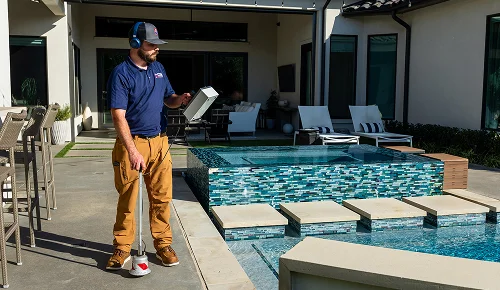 For 50+ years, we’ve developed tools to make leak detection faster and less disruptive.
 -
Solutions Tailored for You
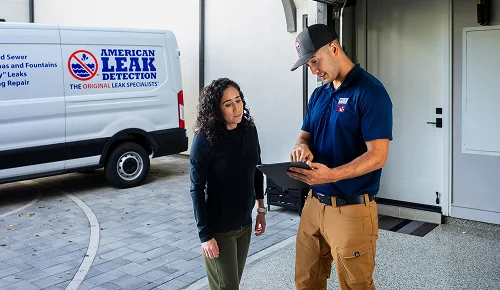 Learn all your options with pros, cons, and costs before making any decisions.
 -
Preferred by Top Insurers
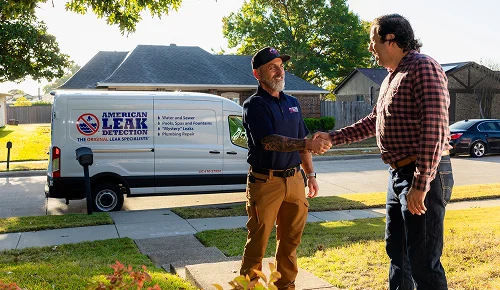 Pre-approved with top insurers means faster claims and smoother coverage.
 -
Trusted Specialists
 Trained specialists who detect leaks in every system, from pools to commercial pipes.


