
Pool Leak Detection in Boise
Acoustic & Pressure Testing for Local Pool Owners
A leaking pool doesn’t always announce itself with a visible crack. Water disappearing faster than evaporation, algae blooms that chemical treatment won’t clear, and an automatic filler that never quite shuts off: these are the signals that something is wrong underground or in the shell. At American Leak Detection of Boise, we focus exclusively on leak detection rather than general plumbing, which means our technicians arrive with acoustic amplification and pressure-testing tools calibrated specifically for pool systems. We’ve been developing and refining these methods across the national network since 1974, and we hold an A+ rating with the BBB.
Boise’s freeze-thaw cycles and high summer temperatures put mechanical stress on pool shells, plumbing fittings, and seals in ways that general wear alone doesn’t. If you’re seeing any of the signs below, the next step is a confirmed diagnosis before any repair work begins.
Call us at (208) 505-9619 or request an appointment online to schedule a pool leak detection appointment.
How to Tell If Your Boise Pool Is Leaking
Normal evaporation in our dry summer climate runs roughly a quarter to half inch per day, depending on heat and wind. Losing significantly more than that is a mechanical problem, not a weather problem. The bucket test is the standard homeowner self-check: fill a bucket to the pool water level, set it on the top step, and compare both after 24 hours without running the autofill. If the pool dropped more than the bucket, a leak is likely.
Beyond the water level, watch for these indicators:
- Unexplained water loss: Consistent daily loss that exceeds normal evaporation, especially when the autofill compensates constantly
- Air in the return lines: Bubbles from return jets or a pump basket that won’t stay filled signal suction-side air intrusion, pointing to an underground fracture pulling air from surrounding soil
- Algae despite regular treatment: Dilution from constant water replacement throws off the chemical balance and lets algae take hold
- Visible structural changes: Cracks, loose tiles, or gap separation in the pool shell or coping
- Soft or saturated ground: Spongy areas around the pool deck or sinking pavers suggest water eroding the substrate beneath
- Unexplained utility spikes: A water bill that climbs without a clear cause during pool season
How We Find Pool Leaks Without Digging
Our approach to pool leak detection follows our core principle: Leak Detection Without Destruction™. That means no breaking concrete at random and no exploratory digging across your yard. When excavation is required for repair, it targets only the confirmed location.
Acoustic Amplification, Pressure Testing & Dye Testing
The process starts above ground. Our acoustic amplification equipment is calibrated to capture the ultrasonic frequency that pressurized water produces as it escapes through a crack or joint failure in underground plumbing. We isolate and pressure-test skimmers, main drains, and return lines individually to narrow the source. At the shell, we use dye testing around light niches, fittings, and return openings to visually track water movement at specific points.
Pool construction type shapes the diagnostic approach. Gunite and concrete pools present different failure patterns than fiberglass shells or vinyl liner pools, and Boise’s freeze-thaw history adds another layer to how plumbing failures present during testing. A technician familiar with Treasure Valley conditions adjusts the sequence accordingly rather than running a generic checklist.
Key Leak Points We Inspect
Our technicians examine these areas in every pool inspection:
- Underground suction and return lines: Most common source of significant, ongoing water loss
- Skimmer body and fittings: Separation from the pool wall is a frequent failure in older Boise pools after repeated freeze-thaw cycles
- Return fittings and light niches: Seal failure here is detectable with dye testing without any structural work
- Pool shell: Cracks in gunite or concrete, delamination in fiberglass, liner tears at seams
- Pump and filter connections: Equipment-side leaks that are sometimes mistaken for shell or plumbing issues


-
“We had a very small leak in a subsoil heating loop at Idaho Ice World. Craig was awesome very knowledgeable. Had to make a couple trips out to find and pinpoint it. It was leaking right where he said it was. This is the second leak Craig has located for us. Thank You. Without that heat loop running it would cause our ice rinks to frost heave and ruin them. Thank You.”- Damon B.
-
“Spoke to Debbie, she was great. After talking to her about the problem that we're having at the house with a leak in our yard, I felt so much better knowing that Professionals were on the job. It felt like a huge weight had been lifted off of my shoulders..... Great Service!!!!! Thank you Debbie..... Cisco”- Francisco C.
-
“Fred is absolutely top-notch. He found a leak when others detected a different place. I could trust him because of his immense knowledge, clear explanations and calming demeanor. He truly was a Godsend in a very difficult situation. I felt assured and could manage what needed to be done. Without his assistance it had been a nightmare. Also Debbie in the office was kind and supportive. She kept my anxiety at bay with scheduling and information before Fred arrived.”- Roslin A.
-
“Fred was wonderful found my leak very quickly! Great work ethic! I recommend these people❤️♥️💕”- Bernice B.

-
Innovating Since 1974
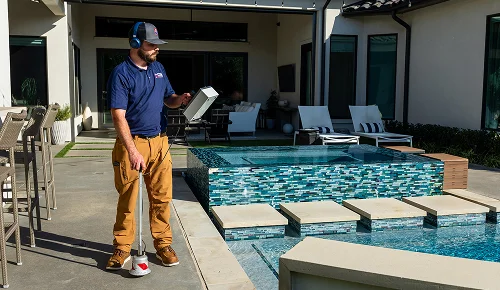 For 50+ years, we’ve developed tools to make leak detection faster and less disruptive.
 -
Solutions Tailored for You
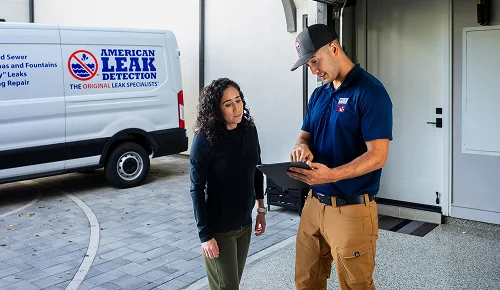 Learn all your options with pros, cons, and costs before making any decisions.
 -
Preferred by Top Insurers
 Pre-approved with top insurers means faster claims and smoother coverage.
 -
Trusted Specialists
 Trained specialists who detect leaks in every system, from pools to commercial pipes.


