If you notice signs of a sewer leak, such as unexplained wet areas or odd odors, act quickly to protect your property. Reduce water usage in your home to limit further complications until an inspection is complete. Don’t dig or attempt a repair yourself; sewer lines in Phoenix can be buried at unpredictable depths due to local soil conditions and city regulations.
Contact a licensed detection company as soon as you suspect a problem. Professionals follow municipal codes and know how to examine your system, protect your landscaping, and navigate the dense underground utility environment common throughout Phoenix. Document what you’re seeing: new puddles, odd drain sounds, or persistent odors. That record helps our technicians diagnose the leak more accurately. If your property borders older city infrastructure or has mature trees, let the inspection crew know about any history of sewer repairs or significant root growth. Those details help us perform a thorough review and help reduce future issues.
Suspect a sewer line leak? Contact us today or call (602) 483-4136 to schedule an inspection.
Signs of a Sewer Line Leak
Catching a sewer line problem early can save you significant time and money. Watch for these warning signs:
- Unpleasant odors around your property
- Slow-draining sinks, tubs, or toilets
- Unexplained patches of lush grass or soggy areas in your yard
- Gurgling noises from plumbing fixtures
- A sudden increase in your water bill
In Phoenix, these symptoms tend to surface more often after monsoon storms or heavy irrigation, when moisture makes leaks stand out against normally dry soil. Persistent odors or damp patches in a desert yard are worth taking seriously, especially in historic neighborhoods where aging infrastructure is common.
Local Codes & Sewer Repair Regulations in Phoenix
Phoenix enforces strict rules for sewer line work on both residential and commercial properties. City code requires licensed contractors to perform all inspections and repairs, and many projects require permits from the City of Phoenix, particularly when work affects the public right-of-way or involves clay lines in older neighborhoods. Unlicensed or non-compliant work can result in fines and create lasting safety hazards.
Before major repairs begin, the crew maps the pipe layout and checks for nearby gas, water, and irrigation lines, which in Phoenix are often positioned in close proximity underground. If your property sits in a historic district or has distinctive landscaping, additional approvals or notifications may be required. American Leak Detection of Phoenix follows City of Phoenix municipal protocols on every job, so your service moves forward efficiently and in compliance with applicable codes.
Sewer Line Leak Detection Methods
Our sewer leak detection process starts with a residential static pressure test, priced at $350. The test pressurizes the line to confirm whether a leak is present. If the result is positive, we proceed directly to locating the leak and inspecting the pipe with a camera, so no excavation happens until we know exactly where the problem is.
Detection combines air pressure testing, acoustic listening devices, and video camera inspection inserted at accessible drain access points. The camera gives us a clear interior view of pipe condition, identifying cracks, blockages, and root intrusion. Acoustic detection picks up the sound changes caused by escaping water or sewage, a method that works well in Phoenix’s clay-heavy soils and seasonally shifting ground. Our typical location accuracy is within approximately 3 feet of the leak source, which can help repair crews dig less and disturb less of your yard and hardscaping.
How to Fix a Sewer Line Leak
Once a leak is confirmed and located, we recommend the most effective repair method based on pipe condition and your property’s layout. We offer both traditional and trenchless options:
- Traditional Repair: Involves excavating the affected area to replace or repair the damaged pipe.
- Trenchless Repair: Uses minimal digging through techniques such as pipe bursting or pipe relining.
Trenchless repair is well suited for Phoenix homeowners who want to preserve desert plants, brick patios, or other hardscaping. In older neighborhoods, pipe bursting or relining can help restore service while limiting disruption. All repairs follow City of Phoenix regulations.
Sewer Pipe Leak Repair Cost in Phoenix
The residential sewer static pressure test starts at $350, giving you a clear diagnostic foundation before any repair costs come into play. From there, total cost depends on pipe depth (which shifts with Phoenix’s seasonal soil movement), whether landscape elements need to be moved or protected, and any applicable City of Phoenix permit fees. We follow a “know before you go” pricing approach: you receive a clear picture of expected costs before work begins, with no surprise charges on the final invoice.
Payment is accepted by check or credit card on-site after the service is complete. If your homeowners’ insurance is involved, the insurer should set up the job directly; otherwise, you pay on-site and seek reimbursement through your provider. A site assessment is the fastest way to understand which factors apply to your specific property.
Emergency Sewer Line Repair
Sewer line failures don’t follow a schedule. Our team is available for emergency sewer line repair when urgent problems arise. In Phoenix, typical emergency calls involve tree root intrusion after monsoon storms, sudden pipe collapse from ground settling, or blockages causing backflow into the home. Any of these situations can escalate quickly, creating flooding risks, contamination, and structural damage if not addressed promptly.
We respond quickly, focusing on restoring sewer function and minimizing further risk. Our technicians arrive on time, complete the job within the agreed time frame, and leave the property clean.
Preventing Sewer Line Leaks
A few consistent habits go a long way toward protecting your sewer lines. Phoenix homeowners can reduce their risk by:
- Avoiding flushing non-biodegradable items down the toilet
- Planting trees away from sewer lines to prevent root intrusion
- Scheduling routine professional inspections
- Requesting a sewer line location map before major landscaping or construction
Phoenix’s dry climate creates soil conditions that shift with the seasons, putting steady stress on underground pipes. A quick check after monsoon season or significant weather changes can help catch a minor crack before it becomes a full-scale failure.
Sewer Line Leak Repair Process
Before your appointment, we send a Work Authorization by email so you know what to expect. After the visit, you receive a written report documenting what was found and what was done. The process follows a clear sequence:
- Initial Assessment: A thorough inspection to identify the leak’s location and severity.
- Diagnosis: Advanced detection technology used to determine the best repair method.
- Repair: The chosen method, whether traditional or trenchless, implemented according to city code.
- Testing: Checking the repair and reviewing system function.
- Follow-up: Maintenance guidance and future inspection scheduling when appropriate.
For homes in areas with expanding clay soil or significant root activity, we recommend regular monitoring after repair to catch any new developments early.
Frequently Asked Questions
How Quickly Can a Sewer Leak Be Found in Phoenix Homes?
A residential sewer static test is scheduled as an approximately 2-hour appointment. Actual time depends on property size and access points; Phoenix’s soil conditions can require additional time for a thorough assessment. Scheduling promptly can lead to faster repairs with less disruption overall.
Do I Need a Permit for Sewer Line Repairs in Phoenix?
Many sewer line repairs require permits from the City of Phoenix, particularly those affecting the right-of-way or involving pipe replacement. Working with a licensed contractor helps support compliance with municipal and state requirements. American Leak Detection of Phoenix manages compliance throughout the process.
What Is the Average Lifespan of Sewer Pipes in Phoenix?
PVC pipes often exceed 75 years; cast iron typically holds up for 50 to 100 years depending on conditions. Clay pipes can fall well short of those ranges in Phoenix, where soil movement, tree roots, and ground shifting put consistent stress on older lines, particularly in historic districts.
For reliable sewer leak detection and repair in Phoenix, AZ, trust the team at American Leak Detection of Phoenix. Call (602) 483-4136 or schedule an inspection to get started.



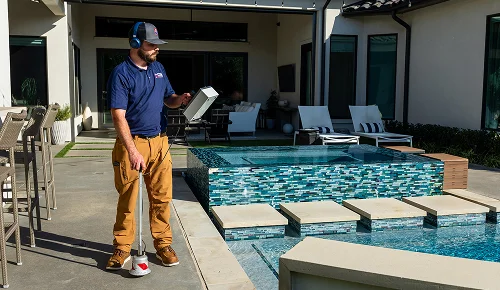 For 50+ years, we’ve developed tools to make leak detection faster and less disruptive.
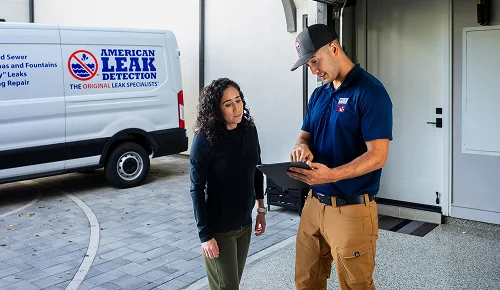 Learn all your options with pros, cons, and costs before making any decisions.
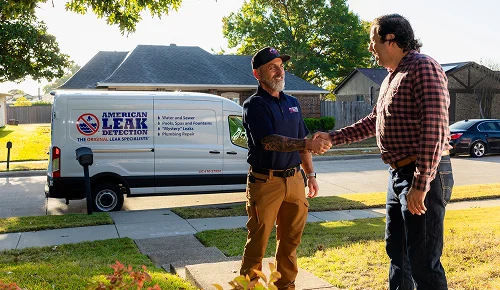 Pre-approved with top insurers means faster claims and smoother coverage.
 Trained specialists who detect leaks in every system, from pools to commercial pipes.


