

Expert Pool Leak Repair in Hilton Head Island, SC
How Lowcountry Sand and Lagoons Complicate Water Loss
A pool that requires constant refilling on Hilton Head Island is often fighting more than just the coastal sun. In our corner of the Lowcountry, the ground is a mix of fine sand and organic silt, frequently situated right next to salt marshes or lagoons. This type of soil doesn't hold water; it allows it to travel. When a return line or a skimmer seal fails, the escaping water doesn't just sit there; it begins to wash away the sandy sub-base that supports your pool deck and pavers. American Leak Detection of Savannah uses specialized sensors to map these hidden failures, allowing us to pinpoint the exact source before the shifting ground causes your coping to tilt or your tiles to crack.
Because the water table on the island is naturally high, a leak can stay hidden for weeks, disguised by the damp environment. However, every gallon that escapes is treated water and chemicals disappearing into the earth. We focus on the physical signals of water movement to trace the breach, ensuring that we resolve the issue without performing unnecessary digging in your backyard.
Protect your outdoor living space from the risks of soil erosion and high utility bills. Call American Leak Detection of Savannah at (912) 289-8364 to request a service call and receive a professional assessment of your pool’s health today.
Detecting and Resolving Failures in a Single Visit
We have removed the typical delay that occurs between identifying a problem and actually fixing it. Our technicians arrive with the inventory and tools needed to pinpoint the leak and resolve the plumbing or structural failure during the same visit. We offer this immediate restoration to stop the water from further undermining your deck, though you maintain total authority over how the work is handled.

-
Innovating Since 1974
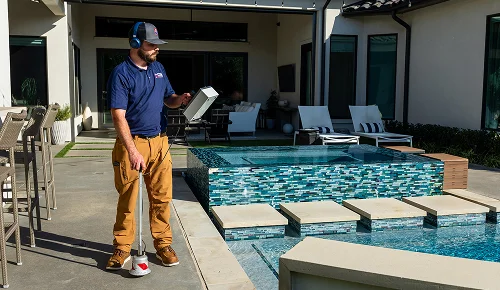 For 50+ years, we’ve developed tools to make leak detection faster and less disruptive.
 -
Solutions Tailored for You
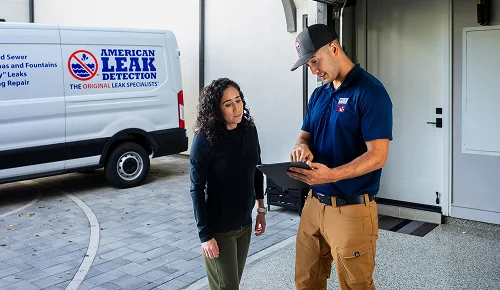 Learn all your options with pros, cons, and costs before making any decisions.
 -
Preferred by Top Insurers
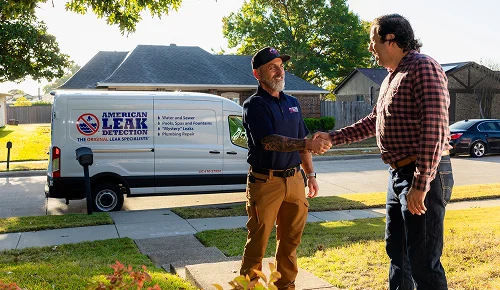 Pre-approved with top insurers means faster claims and smoother coverage.
 -
Trusted Specialists
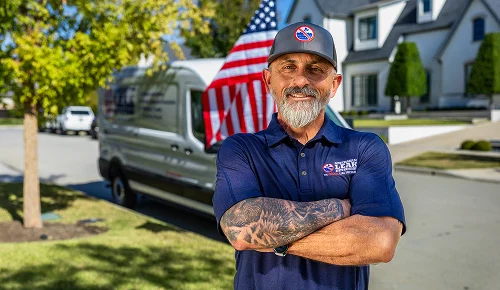 Trained specialists who detect leaks in every system, from pools to commercial pipes.


