

Pipe Leak Repair Company in Philadelphia, PA
Detection & Repair Under One Team, Without Tearing Up Your Home
Most Philadelphia homeowners dealing with a pipe leak face the same frustrating sequence: hire a detection company, get a diagnosis, then schedule a separate plumber who may read that diagnosis differently. You pay twice, wait twice, and the repair scope can grow with every handoff. At American Leak Detection of Southeastern Pennsylvania, we handle both sides of the job. As The Original Leak Specialist™ with over 50 years of experience finding and repairing residential leaks, we pair detection and plumbing repair on the same team so nothing is lost between diagnosis and fix.
Our technicians use acoustic sensors and thermal cameras to pinpoint the exact location and depth of a break before any repair work begins. That precise data means the access opening goes directly over the problem, not around it. Before we touch anything, we explain what we found, what caused it, and what the repair involves. That’s the Know Before You Go commitment: full scope disclosed before work starts. The result is leak detection and plumbing leak repair Philadelphia homeowners can schedule in one call, with one team, and a repair footprint that’s as small as the work requires.
Don’t let a hidden leak compound into a structural or mold problem. Call American Leak Detection of Southeastern Pennsylvania at (717) 255-0468 or request a service call online to schedule your repair.
How Philadelphia’s Climate & Housing Stock Stress Your Pipes
Your pipes don’t fail randomly. Philadelphia’s freeze-thaw cycles shift soil repeatedly through winter and early spring, putting sustained pressure on buried water service lines running beneath your foundation. The movement is slow and invisible, but it’s ongoing.
Inside the city’s classic row homes and twins, aging copper and cast iron pipes expand and contract with every temperature swing. Because these structures are built tightly against shared masonry framing, that constant movement creates friction points where pipes eventually crack. When a leak develops, dense construction allows water to travel horizontally through shared structural framing before it becomes visible, which means the damage is often farther from the source than it appears.
Where Pipe Leaks Develop Most Often in Philadelphia Homes
Working throughout the Philadelphia area has given us a clear picture of where plumbing fails in this housing stock. We go directly to the highest-risk locations rather than working through a property by elimination:
- Main Municipal Supply Lines: Lines entering through thick basement foundation walls are common failure points in older homes, especially where the pipe transitions from buried to exposed.
- Domestic Supply Lines Behind Walls: Supply lines concealed behind plaster, drywall, or custom tile require precise location data before access. Guessing costs significantly more in restoration.
- Drain Lines Under Concrete and Alleyways: Buried drain lines beneath basement floors or narrow alleyways can’t be evaluated without non-invasive scanning. Opening the wrong section wastes time and money.
- Pool PVC Suction Lines: For properties with in-ground pools, buried PVC lines near the equipment pad represent a distinct and often overlooked leak source.
Signs a Pipe Leak Is Already Active
Most plumbing leaks announce themselves before they become emergencies. Knowing what to look for keeps a manageable repair from becoming a major one:
- Unexplained Water Bills: A meter spinning with all fixtures off indicates a pressurized active leak somewhere in the system.
- Warm Floor Spots: A warm area on a kitchen or basement floor commonly indicates a hot water supply line has failed beneath the concrete slab.
- Musty Odors and Peeling Paint: A mildew smell or bubbling wallpaper signals moisture traveling through structural framing inside a wall cavity.
- Hissing Sounds in a Quiet House: A steady hissing can indicate water escaping under pressure from a closed loop.
- Pool Water Loss: If the pool is consistently losing more water than a side-by-side bucket comparison, or return jets are blowing a sustained stream of air bubbles, that points to a plumbing problem worth investigating rather than normal evaporation.
Noticed any of these warning signs? Call American Leak Detection of Southeastern Pennsylvania at (717) 255-0468 or request a service call before a slow leak becomes a structural problem.
How Our Detect-Then-Repair Visit Works
When our team arrives, we start with a conversation, not a crowbar. We ask what you’ve noticed, review the plumbing history of the home, and establish a clear picture of the system before any scanning begins. That context shapes where we look and what we look for.
Scanning & Findings Disclosure
Acoustic sensors and a sewer camera inspection identify the precise location and depth of the break without opening any surface first. Thermal cameras work alongside acoustic detection to cross-confirm findings, particularly on slab leaks and supply lines behind finished walls. Once the data is in, we explain what we found in plain language: where the problem is, what caused it, and what the repair involves. No jargon, no pressure. That explanation is the Know Before You Go commitment in practice. You authorize the repair with a full understanding of scope and cost before a single tool touches your home.
One Team, No Handoff
Because detection and repair are handled by one team, the diagnosis that drives the repair comes from the same people doing the work. There’s no report handed off to a second crew, no scope lost in translation. That single-team model is what separates our plumbing leak repair service in Philadelphia from the standard two-call process many homeowners experience.
Surgical Pipe Leak Repair That Protects Your Home
Precise location data changes the nature of the repair. When we know exactly where a break is and how deep it sits, the access opening goes directly over that point: no exploratory demolition, no opening multiple sections to find the right one. The repair footprint stays as small as the work demands.
That approach is the Leak Detection Without Destruction™ principle applied to every job. Corroded copper supply lines behind drywall, slab leaks beneath concrete basement floors, and cracked PVC pool plumbing lines all get the same targeted access. Minimal disruption and minimal post-repair patching are direct results of knowing the pipe’s exact location before the first tool touches the surface.
The Compounding Costs of Leaving a Leak Unrepaired
A small damp spot can seem minor enough to monitor. The physics of pressurized water escaping underground make that a costly assumption. Water leaking beneath a basement slab erodes the compacted soil supporting the concrete above, potentially creating subterranean voids that can allow floors to sink, crack, and eventually cave. What starts as a plumbing repair can become a foundation repair.
Inside walls, moisture trapped in dark cavities can create conditions where mold develops rapidly. What begins as a minor plumbing fix can become an extensive drywall replacement project with remediation costs added on. Small leaks that appear cosmetically minor can simultaneously create structural and biological risks that grow quietly over time.
Frequently Asked Questions
Do You Have to Open My Walls to Fix the Leak?
Reaching a broken pipe does require opening the wall or floor to complete the physical repair, but acoustic and thermal detection pinpoints the exact location first. The access cut goes directly over the break and stays as small as possible, which can make patching afterward more straightforward rather than extensive.
If I Have a High Water Bill but No Puddles, Where Is the Water Going?
Philadelphia’s porous, shifting soil allows water from a broken underground service line to drain straight down or run along your foundation exterior without ever surfacing inside the home. A property can lose thousands of gallons a month with no interior sign of a problem, which is exactly why meter behavior is a more reliable indicator than visible water.
How Do I Know If My Pool Is Leaking or Just Evaporating?
The bucket test can give you a clearer answer. Place a bucket on a pool step with the interior water level matching the pool, then mark both. After 24 hours, if the pool has dropped noticeably more than the bucket, you likely have a physical leak rather than normal evaporation.
Can a Small Drip Behind the Wall Really Cause a Mold Problem?
It can, and it tends to happen faster than most homeowners expect. A dark, enclosed wall cavity with sustained dampness is an environment where mold can spread quickly. A minor plumbing issue left unaddressed can turn into an extensive remediation project involving drywall removal and air quality treatment.
What Should I Do Before the Technician Arrives?
Locate your main water shut-off valve (typically in the basement near the front foundation wall facing the street) and turn it clockwise to stop pressurized flow to the house. This can limit additional damage until our team arrives and is the most useful step you can take in the meantime.
Schedule Your Pipe Leak Repair in Philadelphia
If you’ve spotted a warning sign or already know you have a leak, the right move is a single call that covers both detection and repair. Our team serves residential customers throughout the Philadelphia area and brings the full detect-then-repair process to every job.
Call American Leak Detection of Southeastern Pennsylvania at (717) 255-0468 or request a service call online. We can locate the break, explain the findings in plain language, and complete a surgical plumbing leak repair that protects your home without unnecessary damage.


-
“Having a complicated plumbing problem? A leak issue? This is the business you want to call. From the first response to my call to the great technician, they were professional, responsive, personable, and assured me my problem was going to be solved!I highly recommend these specialists.”- Kris Haley-Paul
-
“I am very appreciative and thankful for American Leak Detection's Technician, Mr. Neal Williams, expertise concerning my sewer pipe issue. He explained all the necessary measures performed and I totally understood! In going forth, I will most definitely reach out to them in the event of repair issues. In, addition, I will also recommend them to relatives, friends and neighbors- Thanks again!”- Kimberly Lucas
-
“After several years and spending a lot of money, this is the only company that was able to find the cause of a water leak that was damaging my kitchen and basement. I am recommending them to all my friends.”- Bryan D.
-
“There was great detail given to the various locations on my property.”- Tammy Kobylinski

-
Innovating Since 1974
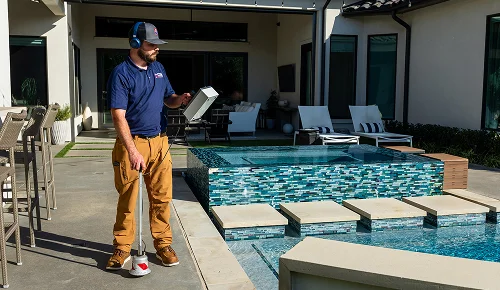 For 50+ years, we’ve developed tools to make leak detection faster and less disruptive.
 -
Solutions Tailored for You
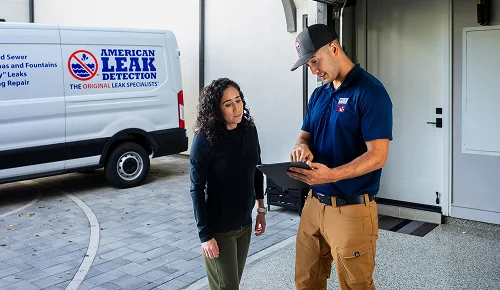 Learn all your options with pros, cons, and costs before making any decisions.
 -
Preferred by Top Insurers
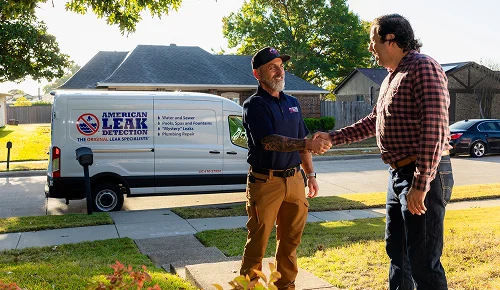 Pre-approved with top insurers means faster claims and smoother coverage.
 -
Trusted Specialists
 Trained specialists who detect leaks in every system, from pools to commercial pipes.


