Not every slab leak detection service offers the same technology, skill, or care. Here’s what sets American Leak Detection of Greater Minneapolis apart:
- Clear, upfront pricing. You receive a transparent quote before work begins.
- Advanced, non-invasive equipment. Our methods identify the problem without unnecessary damage.
- Highly trained technicians. Our team uses proven techniques and extensive real-world experience to locate leaks accurately.
- Respectful service. We leave your property clean and treat your home with care.
- National resources, local presence. Our Minneapolis team draws on technology and support from a trusted slab leak detection company with a national reputation for innovation.
Our technicians bring years of experience in Minneapolis neighborhoods, from Southwest to Northeast. We know the construction types and plumbing systems common to homes here, and we continuously invest in new technology and hands-on training to deliver solutions that meet the highest standards.
Let’s make it happen. Share your project details via the contact form or call us at (763) 633-7773 and we’ll take care of the rest.
What to Expect During a Slab Leak Detection Appointment
Before inspection begins, our technician discusses your concerns and walks you through the process so you know exactly what to expect. Here’s how a slab leak detection service appointment in Minneapolis unfolds:
- Comprehensive evaluation. We examine water lines under your slab, investigate symptoms, and confirm whether a leak is present.
- Precision location. Acoustic listening equipment isolates the sound frequency of pressurized water escaping through a crack, allowing us to pinpoint the failure point through the slab without surface disturbance. Thermal imaging adds a second layer of confirmation by detecting temperature differentials at the leak site. When the source is a hot water line failure, Minnesota’s cooler ambient temperatures can sharpen the contrast between the leak site and surrounding surfaces, aiding detection.
- Actionable findings. You receive a clear summary of what we found and your options so you can move forward with repairs confidently.
This detection-first approach keeps the process non-invasive. By identifying the precise source before recommending next steps, we help you avoid the expense of unnecessary demolition. Throughout the appointment, we provide timely updates and straightforward explanations so you can make decisions before any repair work begins.
Slab Leak Warning Signs Minneapolis Homeowners Should Watch For
Catching a slab leak early helps prevent major water damage and limits the risk of foundation soil erosion that can lead to structural settling over time. Stay alert for these common indicators:
- Unexplained jump in your water bill
- Water sounds when fixtures are off
- Damp flooring or mildew smells
- Cracks forming in your foundation or walls
- Heater or pump running more than usual
Subtler signals worth noting include uneven floor temperatures and persistent moisture near baseboards. Foundation leak detection in Minneapolis that catches a hidden water line failure early can help you address compounding costs associated with mold growth in concealed spaces and the structural repairs that can come with long-delayed action. Pay extra attention during periods of frost, heavy rain, or drastic temperature swings, as these seasonal conditions can mask plumbing issues in underground lines until visible damage has already occurred.
Minneapolis Risk Factors That Make Proactive Detection Worth It
The Twin Cities present a combination of environmental and construction factors that raise the probability of hidden leaks in slab-foundation homes. Minnesota’s freeze-thaw cycling imposes mechanical stress on pipe joints below the slab, a factor far less pronounced in warmer markets. Clay soils common in parts of the Minneapolis area expand and contract with moisture changes, adding ground-movement stress to embedded pipes beyond what freeze-thaw causes alone.
Homes built before the 1980s may have copper supply lines or other pipe materials more prone to corrosion and movement, increasing the likelihood of a hidden leak developing over time. Newer construction carries lower risk thanks to improved pipe materials and building codes, but older homes benefit most from proactive monitoring. Our locally informed approach considers the distinct features of the greater Minneapolis area properties. Regular inspections and a trusted slab leak detection company in Minneapolis can help you stay ahead of problems and maintain control over your property’s long-term condition.
Frequently Asked Questions
What Is a Slab Leak?
A slab leak occurs when water lines beneath a home’s concrete foundation develop a failure. The resulting hidden water line leak can cause pooling water, structural damage, and rising utility bills over time.
How Do I Know If I Need Slab Leak Detection?
Common signs include unexpected increases in your water bill, damp or warm spots on floors, mildew odors, or the sound of running water with no visible source. If you notice any of these, a professional assessment can confirm whether a leak is present.
Are Slab Leaks Common in Minneapolis?
Older homes, as well as those exposed to frequent freeze-thaw cycles or shifting clay soils, are at higher risk. The Twin Cities metro includes a substantial inventory of post-war concrete slab construction where copper supply lines may be entering the statistical failure-age range.
How Disruptive Is the Detection Process?
Our non-invasive plumbing diagnostics rely on acoustic listening equipment and thermal imaging rather than exploratory demolition. We avoid unnecessary damage and keep your home as undisturbed as possible throughout the appointment.
What Happens After Slab Leak Detection?
You receive detailed findings and repair options so you can make an informed decision about next steps. We walk you through everything before any repair work is considered.
Schedule Your Slab Leak Detection Assessment in Minneapolis
If you think you have a hidden leak, don’t wait for the damage to grow. American Leak Detection of Greater Minneapolis brings advanced detection technology, transparent pricing, and respectful service to every appointment, helping you maintain a safe, well-protected home.
Call (763) 633-7773 or schedule a slab leak detection assessment in Minneapolis today.



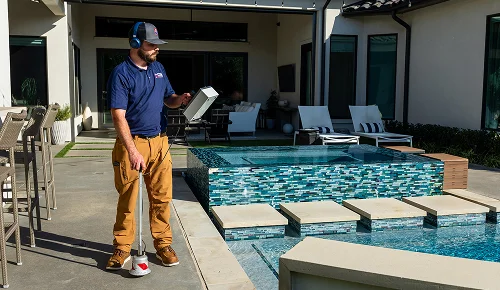 For 50+ years, we’ve developed tools to make leak detection faster and less disruptive.
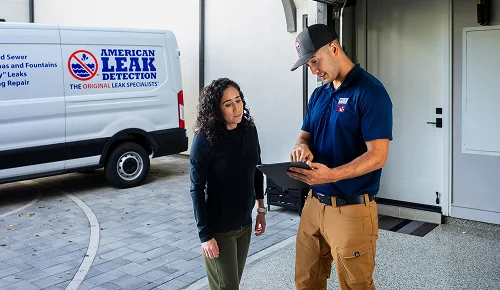 Learn all your options with pros, cons, and costs before making any decisions.
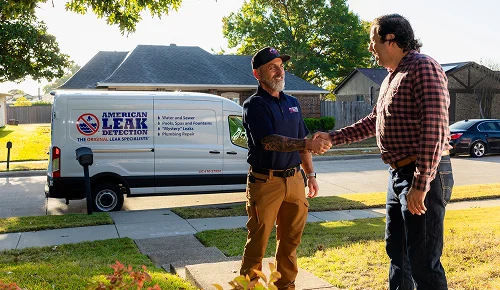 Pre-approved with top insurers means faster claims and smoother coverage.
 Trained specialists who detect leaks in every system, from pools to commercial pipes.


